
Chingada
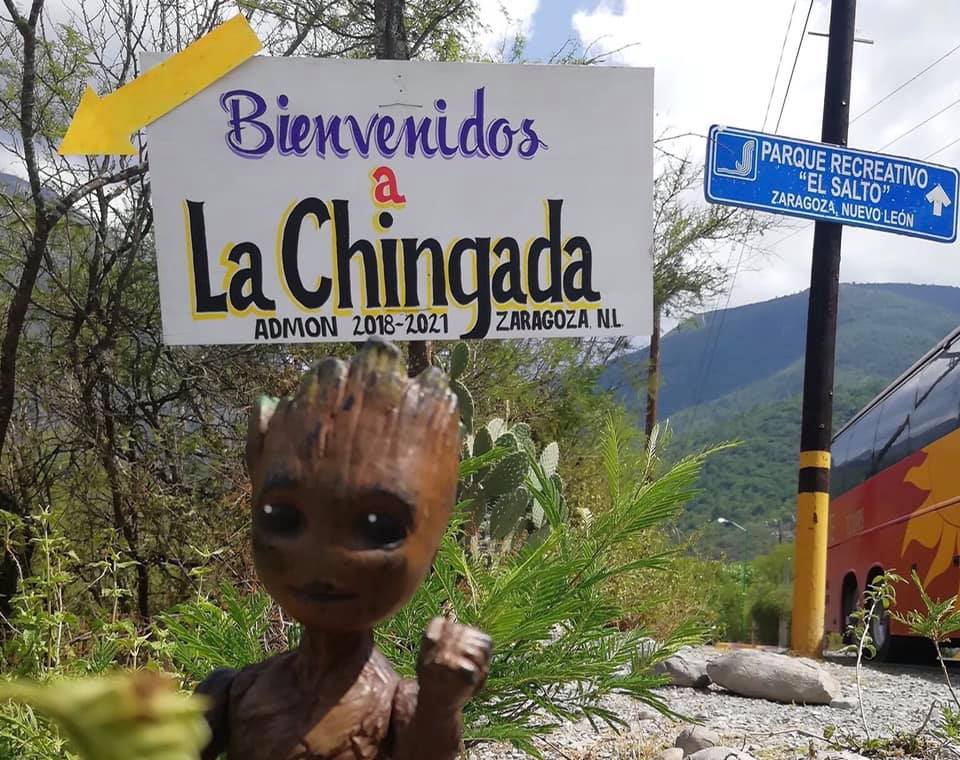
In the colorful tapestry of Mexican culture, there are expressions that carry weight far beyond their literal meaning. One such phrase, deeply ingrained in the Mexican lexicon, is “La Chingada.” To the uninitiated, it may sound like a vulgar term, but its significance stretches beyond mere profanity. “La Chingada” is a concept that encapsulates a complex array of emotions, cultural history, and existential ponderings.
Originating from the Spanish verb “chingar,” which can have various interpretations ranging from vulgarity to perseverance, the term “La Chingada” takes on different nuances depending on context. At its core, it represents a state of desolation, abandonment, or being utterly lost. Yet, within this desolation lies a profound sense of resilience and defiance.
One of the most famous references to “La Chingada” comes from Mexican folklore and history, associated with the figure of La Malinche. Known also as Malintzin or Doña Marina, she was an indigenous woman who played a pivotal role as an interpreter, advisor, and intermediary during the Spanish conquest of Mexico. However, her legacy is deeply controversial. While some see her as a traitor for aiding the Spanish conquistadors, others view her as a victim of circumstance, torn between loyalty to her people and survival in a rapidly changing world.
The story of La Malinche embodies the complexities of Mexican identity, colonialism, and cultural synthesis. In her, many see the embodiment of “La Chingada” – a woman betrayed, marginalized, and misunderstood by history. Yet, despite her perceived abandonment, she remains an enduring symbol of resilience and adaptation.
Beyond its historical roots, “La Chingada” permeates Mexican culture in myriad ways. It appears in popular sayings, literature, music, and even in everyday conversations. Its usage can convey a range of emotions, from frustration and despair to defiance and rebellion. In Mexican literature, writers like Octavio Paz have explored its significance, delving into its existential dimensions and its reflection of the Mexican psyche.
Table of Contents
ToggleAgency
“La Chingada” serves as a reminder of the resilience inherent in Mexican identity. Despite centuries of colonization, oppression, and socio-political turmoil, the spirit of “La Chingada” endures. It is a testament to the indomitable will of the Mexican people to persevere in the face of adversity, to find strength in moments of despair, and to reclaim agency in a world that often seeks to diminish their worth.
Cultural
In contemporary Mexico, the concept of “La Chingada” continues to evolve and adapt, reflecting the ever-changing landscape of Mexican society. It is not merely a relic of the past but a living expression of cultural identity, constantly reshaped by the forces of history, politics, and globalization.
Conclusion
“La Chingada” transcends its literal meaning to become a profound expression of Mexican culture and identity. Rooted in history, folklore, and collective memory, it encapsulates the resilience, complexity, and indomitable spirit of the Mexican people. To understand “La Chingada” is to delve into the heart of Mexican consciousness, where despair and defiance intertwine to form a powerful symbol of survival and strength.