
Is It Cold in Hockey Games?
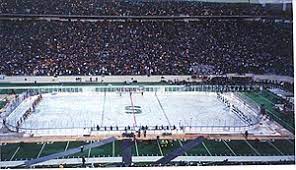
Hockey is a sport that is loved by many, and it is played in various parts of the world. However, one question that has been asked by many people is whether it is cold in hockey games. This article will explore this question in detail, looking at the reasons why hockey games are cold and how players and fans can stay warm during the games.
Why Are Hockey Games Cold?
Hockey games are played on ice, and this is one of the main reasons why they are cold. The ice rink is kept at a temperature of around 16 degrees Celsius (60 degrees Fahrenheit) to ensure that the ice remains solid and does not melt. This temperature is much lower than the average room temperature, which is around 20-22 degrees Celsius (68-72 degrees Fahrenheit).
Another reason why hockey games are cold is that players wear minimal clothing to allow them to move freely on the ice. They wear a jersey, shorts, socks, and skates. The jerseys are made of lightweight material to allow for better movement, while the shorts are designed to be tight-fitting to reduce drag. The socks are also thin to allow for better contact with the skates. All these clothing items are not designed to keep players warm but rather to enhance their performance on the ice.
How Do Players Stay Warm During Hockey Games?
Despite the cold temperatures, players need to stay warm during hockey games to prevent injuries and maintain their performance levels. One way they do this is by warming up before the game. They engage in light exercises such as jogging, stretching, and skating to raise their body temperatures and increase blood flow to their muscles.
During the game, players stay warm by constantly moving on the ice. The physical activity generates heat, which helps to keep their bodies warm. They also wear protective gear such as helmets, gloves, and pads, which provide some insulation against the cold.
Another way players stay warm during hockey games is by using heated benches. These benches are designed to keep players warm during breaks in play. They are equipped with heating elements that warm up the seats, and players can sit on them to keep their bodies warm.
How Do Fans Stay Warm During Hockey Games?
Fans also need to stay warm during hockey games, especially if they are watching the game live in an arena. One way they can do this is by dressing appropriately. They should wear warm clothing such as jackets, hats, gloves, and scarves. They should also wear layers of clothing to trap heat and keep their bodies warm.
Another way fans can stay warm during hockey games is by drinking hot beverages such as coffee, tea, or hot chocolate. These beverages help to raise their body temperatures and keep them warm. They can also bring blankets to wrap themselves in during the game.
Some arenas also provide heated seating for fans. These seats are equipped with heating elements that warm up the seats, providing some insulation against the cold.
What Are the Risks of Playing or Watching Hockey Games in Cold Temperatures?
Playing or watching hockey games in cold temperatures can pose some risks to players and fans. The cold temperatures can cause hypothermia, which is a condition where the body loses heat faster than it can produce it. Symptoms of hypothermia include shivering, confusion, slurred speech, and loss of coordination.
Another risk of playing or watching hockey games in cold temperatures is frostbite. Frostbite occurs when skin and other tissues freeze due to exposure to cold temperatures. Symptoms of frostbite include numbness, tingling, and a burning sensation in the affected area.
To prevent these risks, players and fans should dress appropriately and take breaks to warm up if necessary. They should also avoid prolonged exposure to cold temperatures.
Conclusion
In conclusion, hockey games are cold due to the need to keep the ice rink frozen. Players stay warm by warming up before the game, constantly moving on the ice, and using heated benches. Fans can stay warm by dressing appropriately, drinking hot beverages, and using heated seating if available. However, playing or watching hockey games in cold temperatures can pose some risks, and it is essential to take precautions to prevent hypothermia and frostbite.