
Shaolin Monks
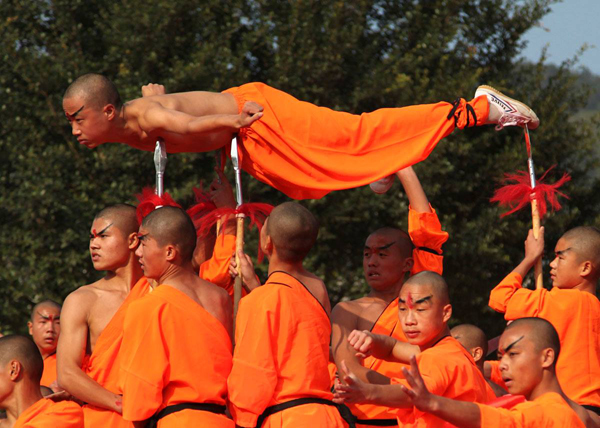
Nestled amidst the serene mountains of China, the Shaolin Monastery stands as a living testament to centuries of profound wisdom, spiritual enlightenment, and unparalleled martial prowess. The Shaolin monks, renowned for their disciplined lifestyle and extraordinary martial arts skills, have captivated the world’s imagination. This article delves into the rich history, philosophy, and unique practices that define the Shaolin monks, exploring the mystique that surrounds this ancient order.
Table of Contents
ToggleHistorical Origins:
The roots of the Shaolin Monastery date back to the early days of Chinese Buddhism during the Northern Wei dynasty (495–534 CE). According to legend, an Indian Buddhist monk named Bodhidharma (Damo in Chinese) arrived at the monastery seeking spiritual enlightenment. Displeased with the physical condition of the monks, he introduced a series of exercises to enhance their strength and endurance, laying the foundation for what would become the renowned Shaolin Kung Fu.
Philosophy and Spirituality:
Central to the Shaolin way of life is the fusion of Buddhism and martial arts, emphasizing physical discipline as a means to achieve spiritual enlightenment. The monks adhere to the principles of Chan Buddhism, an ancient school of Chinese Buddhism that emphasizes direct experience and meditation. The Shaolin philosophy revolves around balance, harmony, and the pursuit of inner peace through rigorous physical and mental training.
Martial Arts Mastery:
Shaolin Kung Fu, the martial art developed at the monastery, is a diverse and intricate system encompassing a wide array of styles, techniques, and weapons. The monks’ training involves a rigorous regimen that includes forms (katas), striking techniques, defensive maneuvers, and weapon proficiency. The legendary Shaolin monks are renowned for their acrobatic and powerful movements, with a focus on both internal and external strength.
The Shaolin Temple has given rise to numerous martial arts styles, each with its unique characteristics. Some of the well-known styles include Shaolin Long Fist, Eagle Claw, and Praying Mantis. The monks’ mastery of combat techniques extends beyond self-defense, embodying a profound connection between mind, body, and spirit.
Physical Training:
The physical training regimen of Shaolin monks is nothing short of extraordinary. Daily routines include intense workouts, flexibility exercises, and endurance training. The monks engage in forms practice, repetitive movements designed to refine their techniques and enhance muscle memory. Remarkably, the Shaolin monks are known for their ability to perform seemingly superhuman feats, such as balancing on a single finger or breaking solid objects with bare hands.
Mental Discipline:
Beyond physical prowess, mental discipline plays a crucial role in the life of a Shaolin monk. Meditation is an integral part of their daily routine, fostering concentration, mindfulness, and spiritual growth. The monks practice Zen meditation to cultivate a calm and focused mind, a skill that extends into their martial arts training. This mental fortitude enables them to execute complex techniques with precision and grace.
The Shaolin Code:
The Shaolin monks adhere to a strict code of ethics known as the “Shaolin Code.” This code encompasses principles such as compassion, humility, and respect for life. The monks are taught to use their martial skills for self-defense and the protection of others, emphasizing the moral responsibility that comes with their physical prowess. The Shaolin Code serves as a guiding compass for the monks, instilling values that extend beyond the walls of the monastery.
Cultural Impact and Global Influence:
Over the centuries, the mystique surrounding the Shaolin monks has transcended geographical boundaries, captivating audiences worldwide. The dissemination of martial arts films and documentaries featuring Shaolin monks has contributed to their global popularity. Iconic figures such as Bruce Lee and Jet Li have further propelled the fascination with Shaolin Kung Fu, showcasing its aesthetic beauty and powerful techniques on the silver screen.
The Shaolin Monastery has become a cultural ambassador, hosting visitors from various parts of the world who seek to witness the monks’ performances and learn from their ancient traditions. Additionally, the spread of Shaolin Kung Fu schools and training centers globally has enabled people of diverse backgrounds to experience the wisdom and physical prowess of the Shaolin monks.
Modern Challenges and Preservation Efforts:
In the face of modernization and changing societal dynamics, the Shaolin Monastery has encountered challenges in preserving its centuries-old traditions. Economic pressures, tourism, and commercialization have sometimes led to concerns about the authenticity of the Shaolin way of life. However, the monks remain committed to preserving their cultural heritage and continue to adapt their practices to contemporary circumstances.
Efforts to safeguard Shaolin culture include initiatives to document and digitize ancient texts, as well as collaborations with international organizations to promote understanding and appreciation of Shaolin traditions. The Shaolin monks actively participate in cultural exchange programs, workshops, and performances to share their knowledge and foster a deeper appreciation for their unique way of life.
Conclusion:
The Shaolin monks stand as a living bridge between ancient wisdom and contemporary society, embodying a harmonious blend of spirituality, philosophy, and martial arts mastery. Their journey, from the misty mountains of China to the global stage, continues to captivate the imagination of people seeking inspiration and enlightenment. As custodians of a rich cultural legacy, the Shaolin monks remind us of the enduring power of discipline, resilience, and the pursuit of balance in our quest for a meaningful and fulfilled existence.