
Whats The Opposite Of Purple
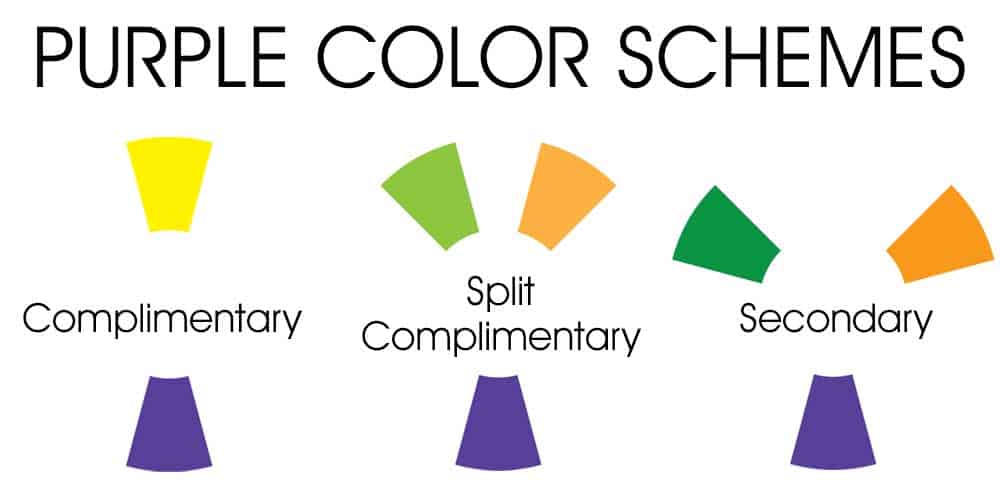
In the vibrant realm of colors, each hue possesses its own distinctive character, evoking emotions, setting moods, and even sparking curiosity. Among these hues, purple stands out with its unique blend of red and blue, creating a color that is both regal and mysterious. Yet, have you ever pondered what lies on the opposite end of the color spectrum from this enigmatic shade?
The answer to this question delves into the realm of color theory, where contrasts and complements play a crucial role in defining visual harmony. To uncover the opposite of purple, we must first comprehend the fundamentals of color theory and the concept of complementary colors.
In the realm of color theory, complementary colors are those positioned directly opposite each other on the color wheel. These pairs are known for their dynamic contrast, each enhancing the intensity and vibrancy of the other when placed side by side. For purple, its complementary color resides on the opposite end of the spectrum, creating a striking visual interplay.
So, what exactly is the opposite of purple? To unveil this counterpart, we journey across the color wheel to the opposing side, where we encounter the vibrant and energizing hue of yellow. Yes, yellow emerges as the antithesis of purple, forming a complementary duo that captivates the eye with its captivating interplay of warmth and coolness.
Table of Contents
ToggleDichotomy
Yellow, often associated with sunshine, joy, and optimism, presents a stark contrast to the depth and mystery of purple. While purple exudes a sense of royalty and introspection, yellow radiates with brightness and exuberance. This stark dichotomy between the two hues reflects the dynamic interplay of emotions and sensations encapsulated within the realm of color.
Moreover, the pairing of purple and yellow extends beyond mere visual contrast; it also holds symbolic significance across various cultures and contexts. In art and design, this complementary duo is frequently employed to create visual impact and balance, whether in paintings, fashion ensembles, or interior decor.
Furthermore, the juxtaposition of purple and yellow carries symbolic connotations in psychology and spirituality. Purple is often associated with spirituality, creativity, and introspection, while yellow symbolizes intellect, enlightenment, and positivity. Together, they form a harmonious blend of introspection and illumination, inviting contemplation and growth.
Conclusion
While purple captivates with its aura of mystery and majesty, its opposite on the color wheel, yellow, offers a radiant counterbalance of warmth and vitality. The dynamic interplay between these complementary hues illustrates the richness and complexity of the color spectrum, inviting us to explore the myriad emotions and meanings woven into every shade. So, the next time you ponder the opposite of purple, remember the luminous charm of yellow, and embrace the captivating dance of colors that enrich our world.